
Sleep without the morning hangover: a herbal approach to insomnia
16 June 2026 · 5 min read
The complaint we hear most is not pain. It is sleep — falling asleep, staying asleep, or waking at three in the morning with a mind that will not switch off.
Three different problems
Trouble falling asleep is usually a wind-down problem: the nervous system is still running. Waking in the night is more often a stress-hormone pattern. Waking exhausted after a full night points at sleep quality rather than quantity. They are not the same complaint and they do not take the same remedy.
What herbs do differently
A sedative tablet forces the body down. Calming herbs work the other way — they lower the signal that is keeping you alert, so that sleep can arrive on its own. That is why people describe herbal sleep support as gentler, and why there is usually no thick-headed morning after it.
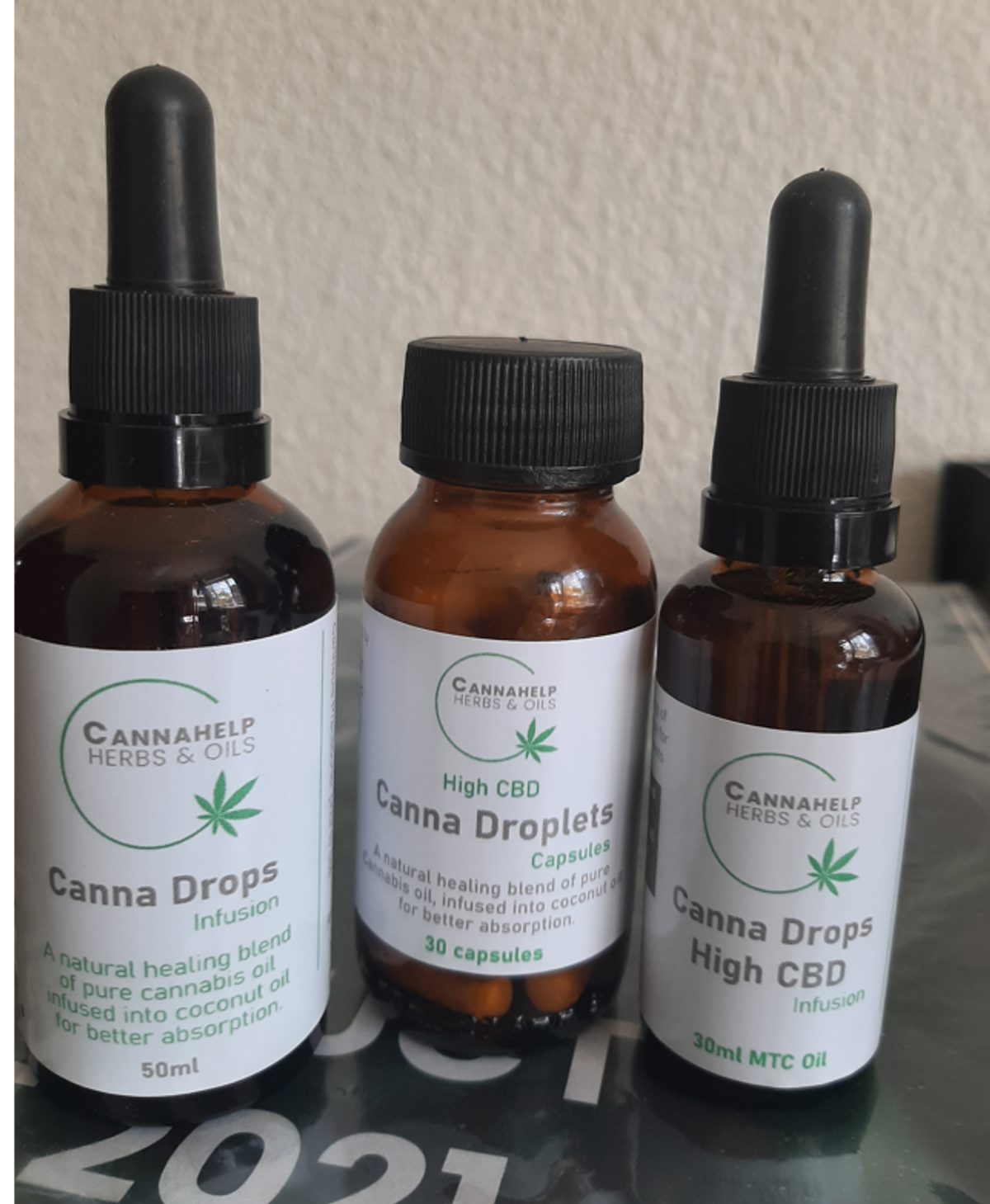
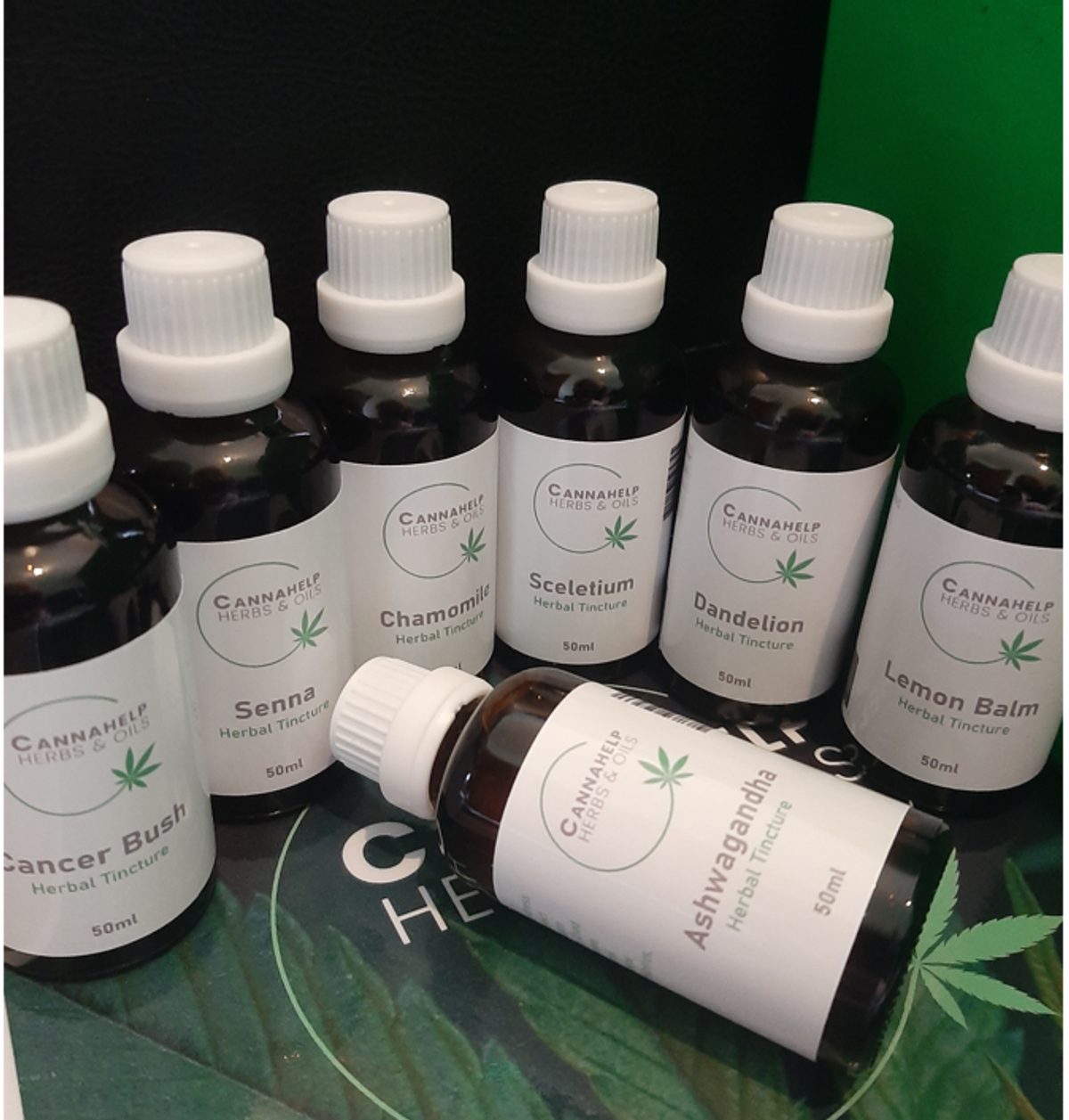
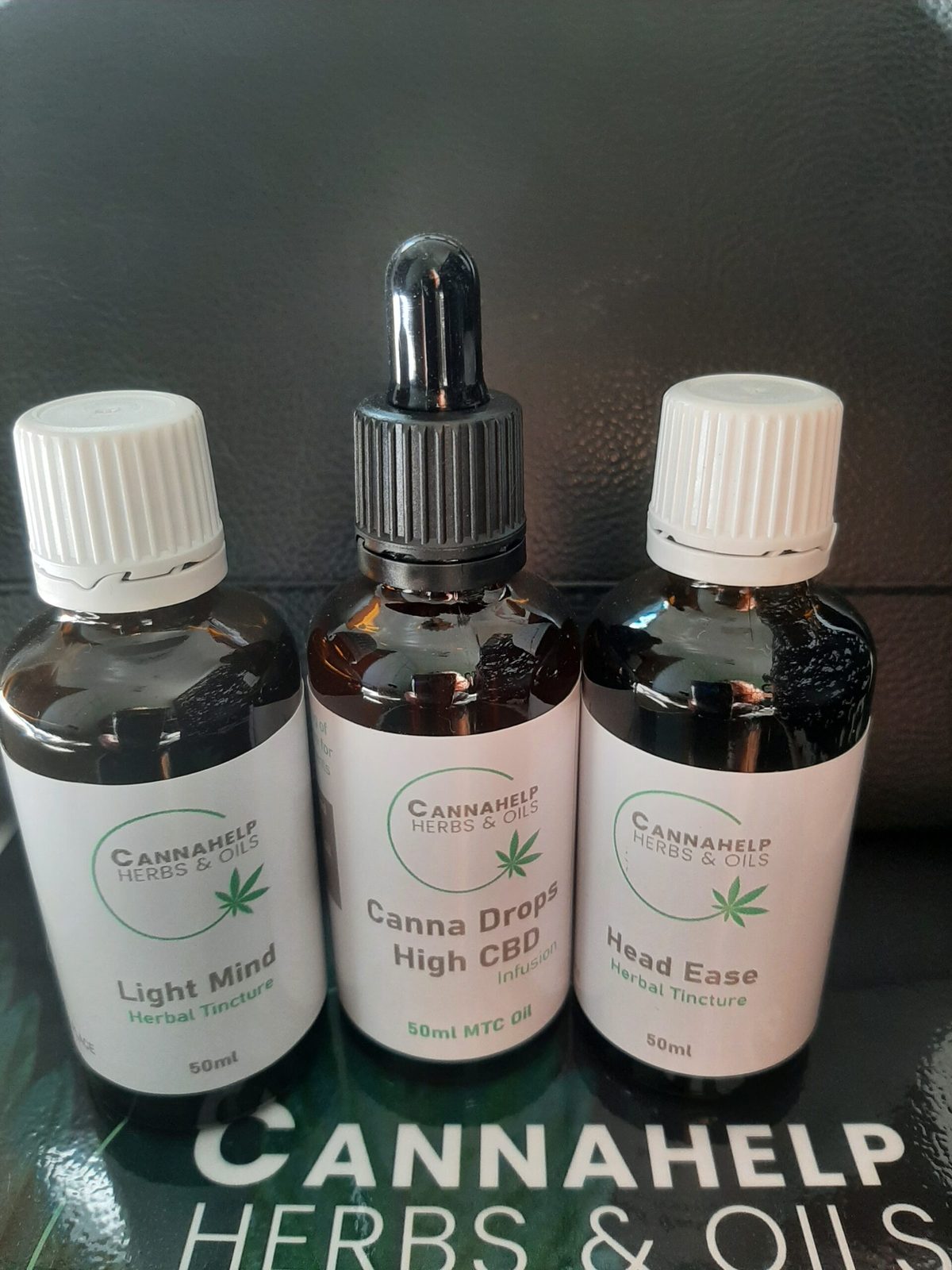
Our deep sleep and calming blends lean on herbs traditionally used to settle the nervous system, and the drops are taken thirty to sixty minutes before bed so they are working when your head hits the pillow. THC-leaning drops are often better for people whose sleep is broken by pain; CBD-leaning ones suit racing-mind wakefulness.
The routine matters as much as the bottle
Screens off an hour before bed. The same bedtime, weekends included. A cool, dark room. Caffeine before noon only. A herbal remedy makes a good routine work; it cannot replace one.
Give it two weeks
Sleep patterns are habits as much as chemistry, and habits take time to reset. Take your drops nightly for two weeks before deciding, and message us if nothing has shifted — often the fix is a change of blend or a change of timing, not a bigger dose.
Please note: this article is general information, not medical advice. CannaHelp products are complementary medicines and have not been evaluated by SAHPRA. Speak to your healthcare practitioner before starting any remedy, especially during pregnancy, while nursing, or alongside chronic medication.