
Rooted in South Africa: the herbal traditions behind our shelves
2 July 2026 · 7 min read
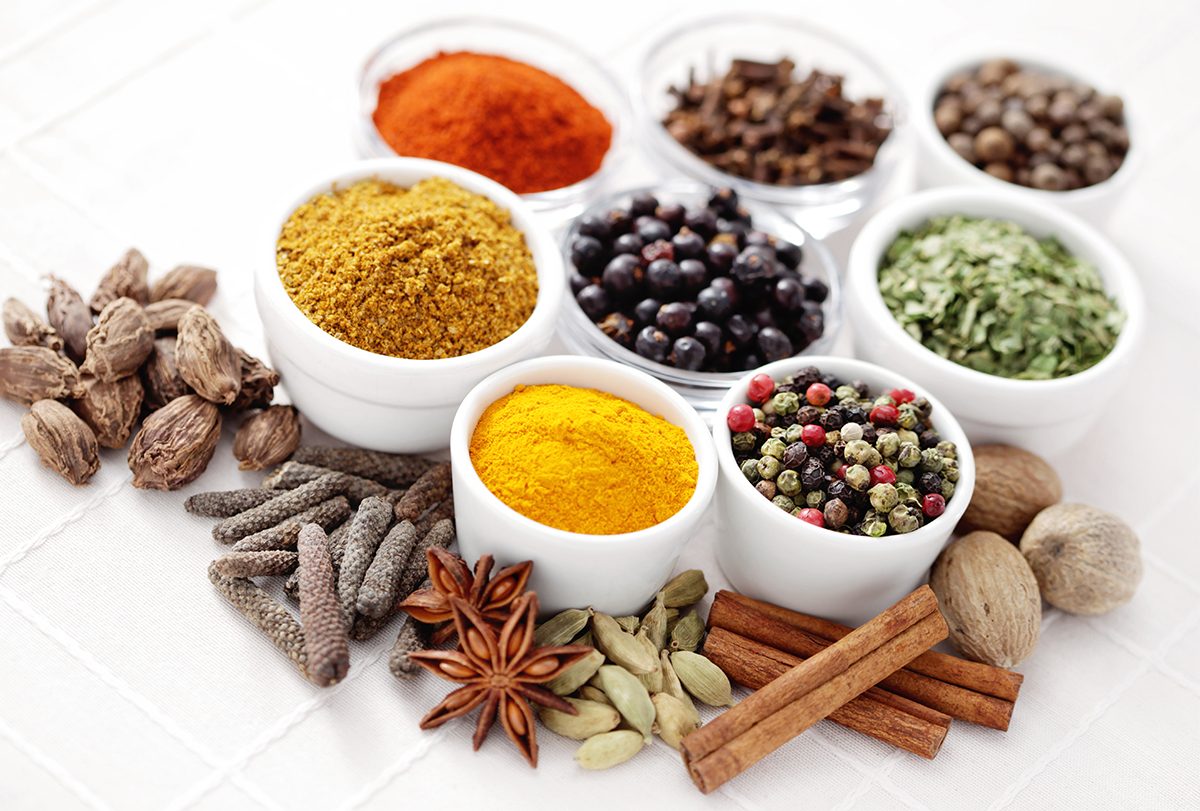
South Africa is one of the most botanically rich countries on earth, and its home medicine is older than any pharmacy in it. Long before tinctures came in amber bottles, families here were steeping, poulticing and brewing the plants growing on the other side of the fence.
Buchu, the Cape's own
Buchu (Agathosma betulina) grows wild in the Cape fynbos and was used by the Khoi and San long before Dutch settlers wrote it into their medicine chests. It is best known as a urinary and kidney remedy, and as a wash for bruises and sprains. Its sharp blackcurrant scent is unmistakable.
Rooibos, beyond the teapot
Rooibos is such an ordinary part of South African life that it is easy to forget it is medicine. Caffeine-free and rich in antioxidants, it has been used for generations for colic in babies, for eczema and skin irritation as a cooled wash, and simply as the calming drink poured at the end of a hard day.
Umhlonyane — African wormwood
Artemisia afra, known as umhlonyane in isiXhosa and wilde-als in Afrikaans, is the flu remedy of this country. Steamed, brewed or infused, it has been used for coughs, fevers, colds and chest congestion in homes across South Africa for centuries. It is bitter, and every grandmother who ever administered it knew that was part of the point.
Aloe ferox and sutherlandia
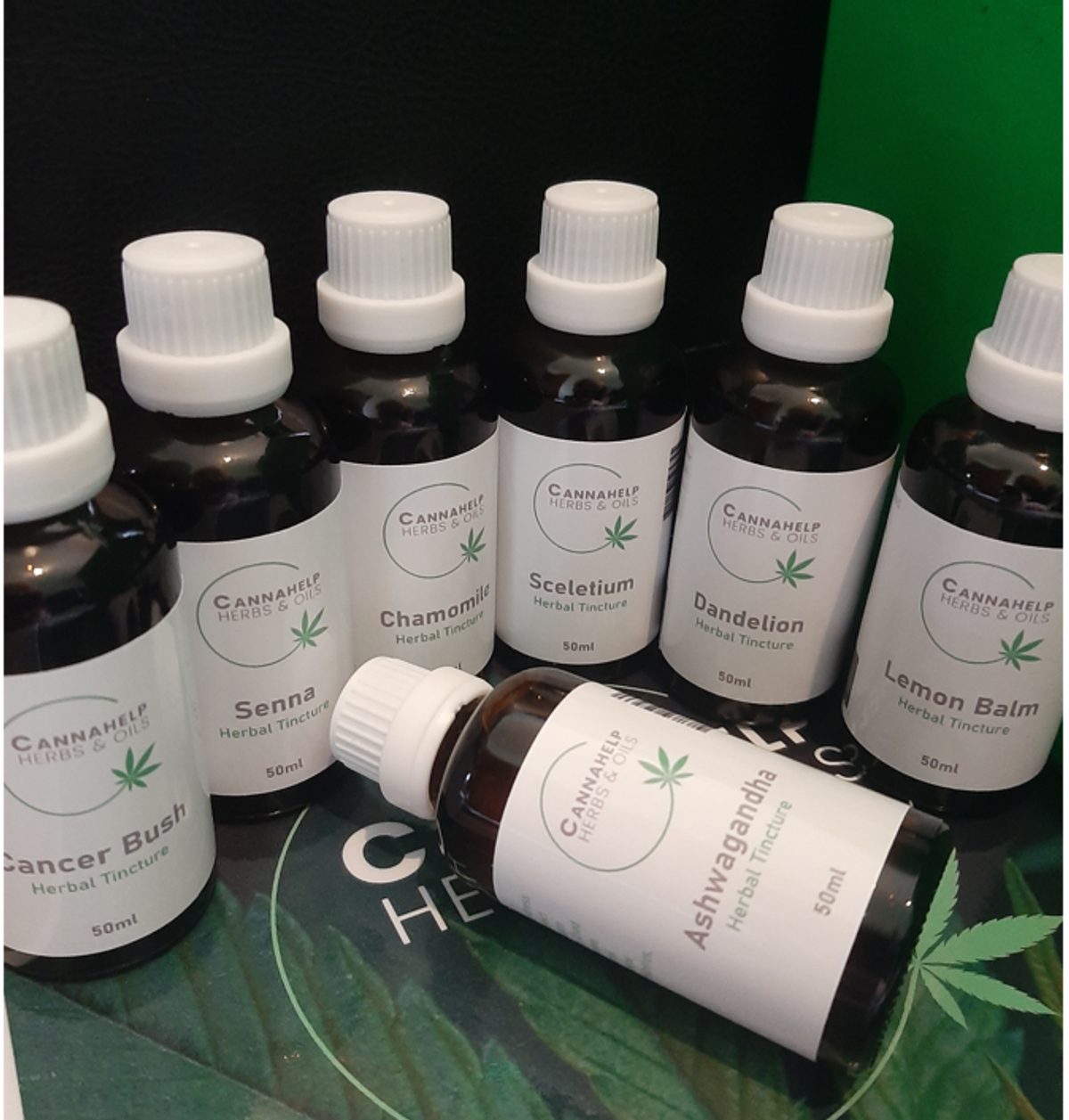
Bitter aloe has been tapped for digestive and skin use for hundreds of years, its thick gel going straight onto burns and wounds. Sutherlandia frutescens — cancer bush, or unwele — carries one of the strongest reputations of any local plant as a tonic for immunity, stress, appetite and recovery.
Why tradition and testing belong together
Traditional knowledge tells us which plants help and how they were used. Modern extraction and lab testing tell us how much of the active compound is in the bottle and that nothing unwanted came along with it. We work with both: old remedies, hand-made in small batches, with laboratory testing behind the potency claims.
The true strength of herbs sits in their polyphenols — plant compounds with antioxidant, anti-inflammatory and anti-microbial action, studied for their role in heart disease, diabetes, dementia and more. Our forebears did not have that vocabulary. They had the results.
Please note: this article is general information, not medical advice. CannaHelp products are complementary medicines and have not been evaluated by SAHPRA. Speak to your healthcare practitioner before starting any remedy, especially during pregnancy, while nursing, or alongside chronic medication.