
Single or combined tinctures: which one do you actually need?
21 July 2026 · 5 min read
People often arrive at the shop knowing they want a tincture and not much else. The first fork in the road is simple: single or combined.
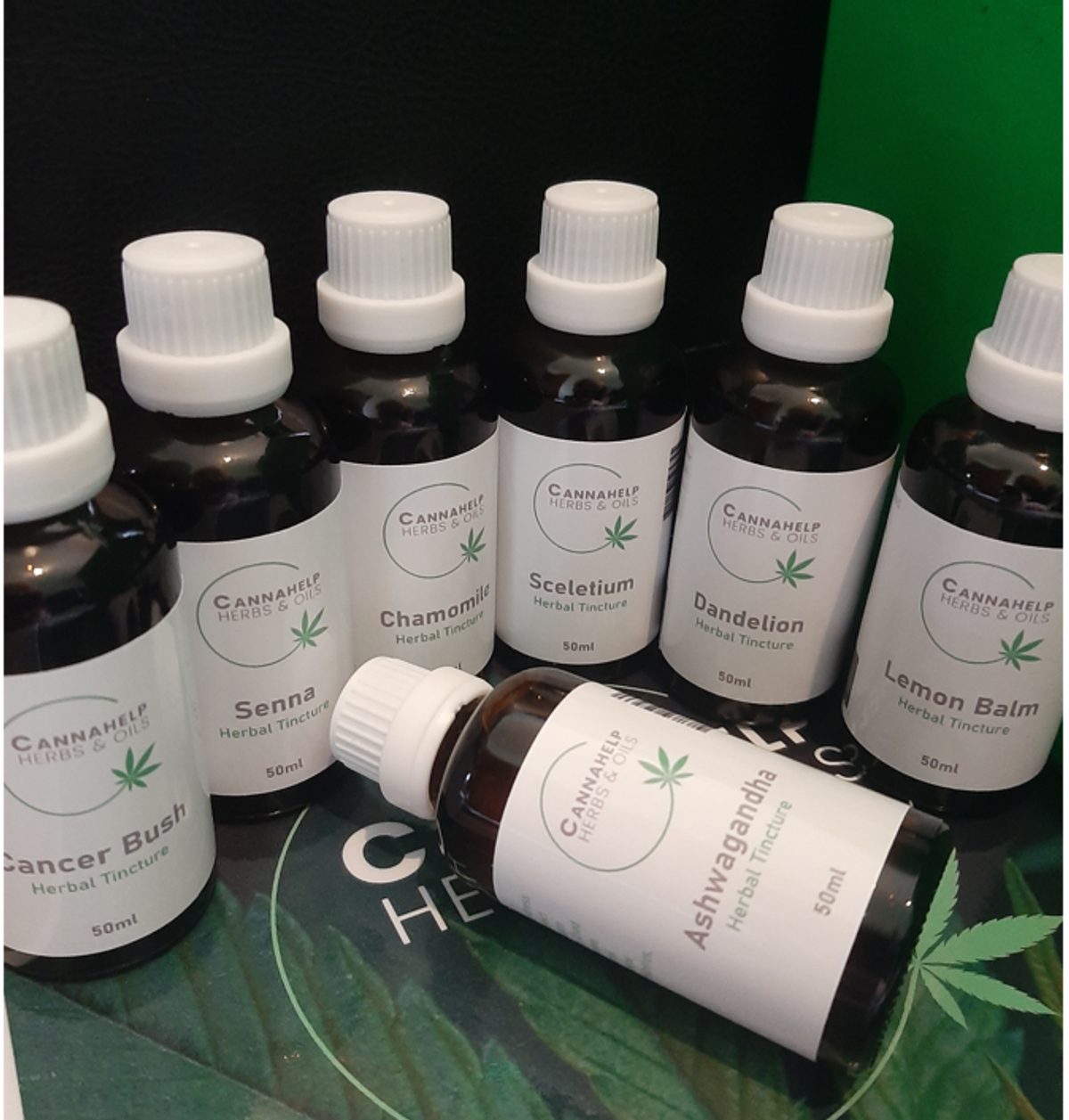
Single tinctures: one herb, one job
A single tincture holds the extract of one plant. That makes it precise. If you know that chamomile settles you, that milk thistle suits your liver, or that lemon balm takes the edge off a tense afternoon, a single tincture lets you use exactly that and nothing else.
Singles are also the better starting point if you react to things easily. When only one plant is in the bottle, you know precisely what your body is responding to, and you can build a routine one herb at a time.
Combined tinctures: built for a condition
Combined tinctures blend several herbs chosen to work on one concern together — sleep, sinus, anxiety, joints, immunity, hormones, digestion. Herbs support each other: one calms, one reduces inflammation, one helps the others absorb. For most everyday complaints, a well-built blend does more than any single plant on its own.
How to choose
Ask yourself what you are treating. A named condition you have lived with for a while — go combined. A single symptom you already know the herb for, or a sensitive system that needs introducing slowly — go single. Treating something stubborn? Many customers run a combined tincture daily and add a single alongside it.
The practical details
All our tinctures are blended into MCT oil for absorption, and all are child friendly at adjusted doses. The usual adult starting point is 15–20 drops under the tongue, two to three times a day, held for thirty seconds before swallowing. Give any herbal routine two to three weeks before judging it.
Not sure which blend matches your symptoms? Use the Remedy finder on this site, or send Daleen or Lee a message describing what you are dealing with — they have matched these blends to people for years.
Please note: this article is general information, not medical advice. CannaHelp products are complementary medicines and have not been evaluated by SAHPRA. Speak to your healthcare practitioner before starting any remedy, especially during pregnancy, while nursing, or alongside chronic medication.